
























































Salmonellosis outbreak under investigation in Europe: seedlings remain one of the highest-risk food groups
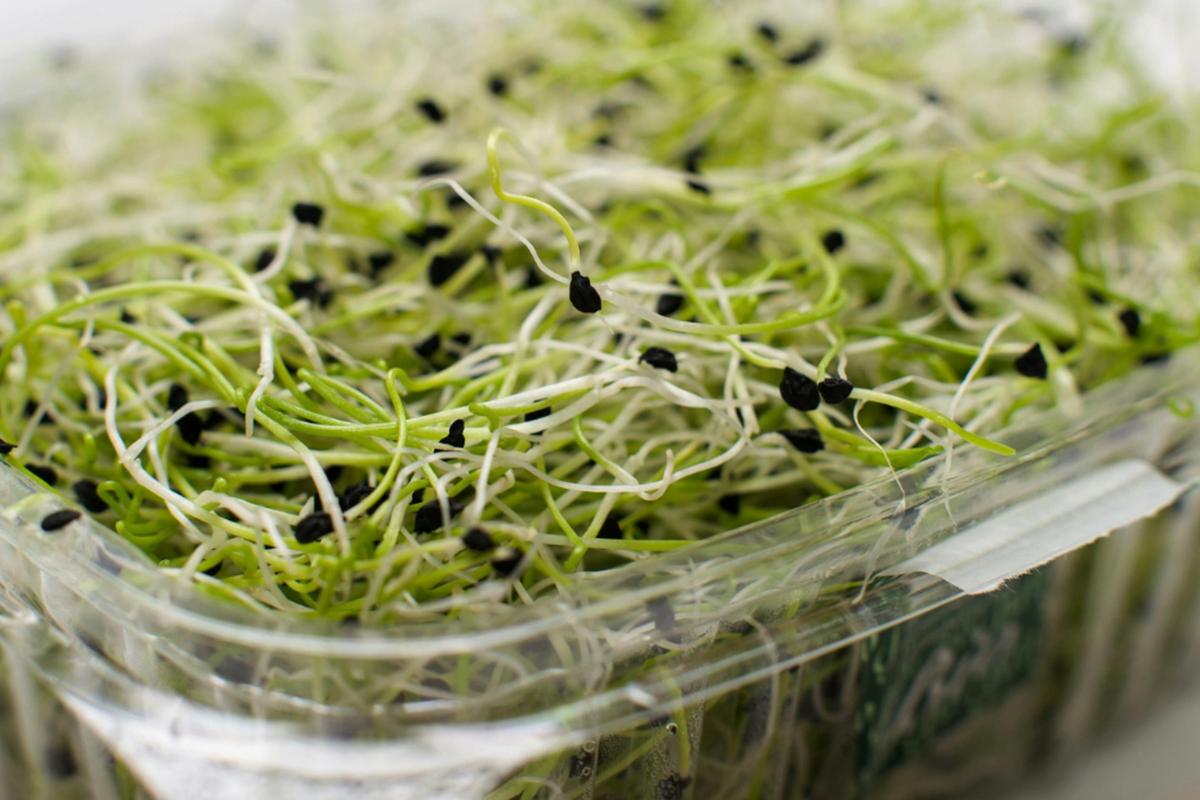
The European Food Safety Authority (EFSA) and the European Centre for Disease Prevention and Control (ECDC) announced last week an outbreak of salmonellosis linked to alfalfa seedlings, which has been detected in several European countries. Between the start of this year and the end of May, 109 confirmed cases were recorded across 11 European countries. Eighteen people were hospitalised as a result of the illness. Among the recorded cases, one death has been reported in Finland, whilst the country’s authorities also indicate a further death that is likely to be linked to the outbreak.
According to the investigation, the main source of infection is alfalfa seedlings grown from contaminated seeds. Traceability investigations show that the seeds linked to the outbreak were imported into Europe and subsequently distributed widely to various seedling production companies.
The State Food and Veterinary Service (VMVT) points out that sprouts are one of the most vulnerable food product groups. Although they are considered a healthy food product, their production is associated with an increased microbiological risk. Sprouts are grown in a warm and humid environment. Such conditions are ideal not only for seeds to germinate, but also for bacteria to multiply. Even a small amount of contamination on the seeds, production equipment, surfaces or the water used can lead to the rapid spread of hazardous microorganisms throughout the entire production run.
Unlike many other food products, seedlings are usually consumed without being heat-treated, so consumers cannot destroy any potential pathogenic microorganisms by heating before consumption. For this reason, preventive measures at the production stage are of particular importance – ranging from controlling the origin of seeds to staff hygiene, cleanliness of premises and continuous self-monitoring.
Experience in Europe in recent years shows that seedlings have repeatedly been linked to international outbreaks of salmonellosis. In the period 2023–2025 alone, more than 500 cases of salmonellosis linked to germinated seeds were recorded in Europe.
“Seedling production is not a simple horticultural process. It is one of the areas of food production where even minor hygiene shortcomings can have serious consequences for consumer health. It is therefore particularly important in this sector to ensure strict compliance with hygiene requirements and continuous risk control“,” emphasises Laura Ivanauskienė, Head of the Food Division at the State Food and Veterinary Service.
What do consumers need to know?
To minimise potential food safety risks, consumers are advised to purchase sprouts only from approved growers or retail outlets. They should be stored in accordance with the manufacturer’s instructions and consumed before the best-before date expires. When preparing food, it is important to ensure proper kitchen hygiene – wash your hands thoroughly, use clean utensils and avoid cross-contamination. Furthermore, it is recommended that sprouts be washed thoroughly before consumption.

Similar articles



Video