























The EU plans to ban plant-based ‘burgers’, but vegetarian ‘burgers’ will remain
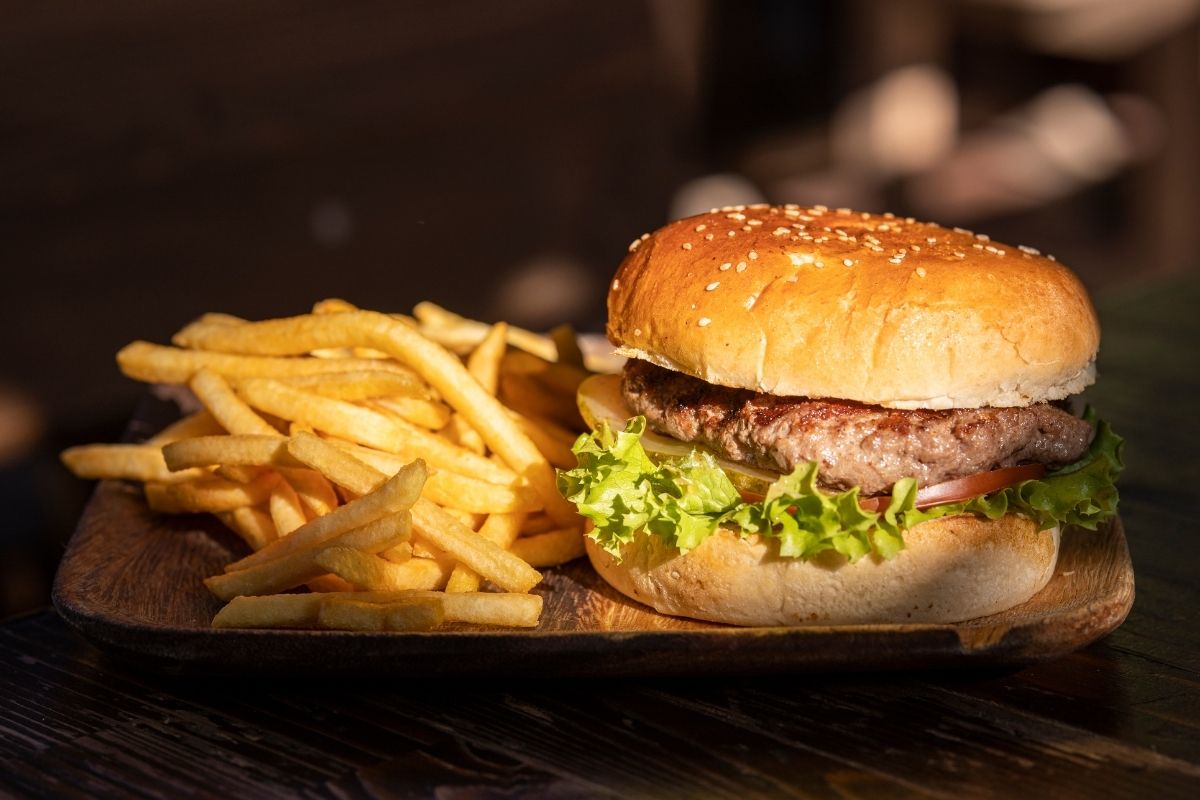
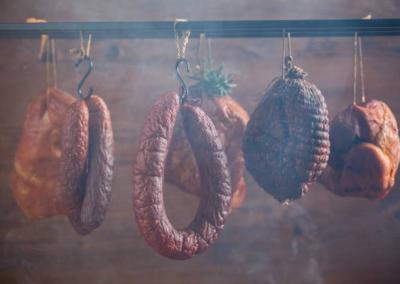
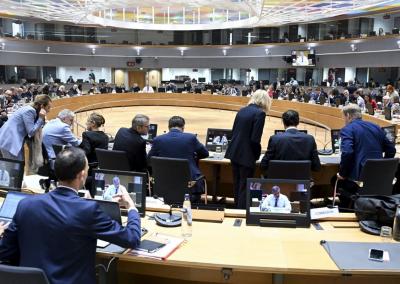
On Tuesday, the European Parliament (EP) approved a ban on the marketing of plant-based food products using terms such as “steak” or “bacon”. However, it will still be possible to sell vegetarian “burgers”.
The ban, which still requires final approval from Member States, represents a victory for the livestock sector, whose representatives argue that plant-based food products that imitate meat not only mislead consumers but also harm their sector.
“This is a victory for our producers, their expertise and the clarity that consumers need,” – said Celine Imart, a cereal farmer and right-wing French MEP who supported the proposal.
The approved document restricts the use of the generic term “meat” and sets out a long list of meat-related terms. Furthermore, it clearly defines meat as “edible parts of animals” and prohibits the use of the term for products grown in a laboratory or produced from cells.
However, under the compromise reached in March by EU legislators and Member States, a broader ban was not introduced, which would have prevented the sale of plant-based food products under names such as “burgers” or “sausages”.
Food retailers in Germany – Europe’s largest market for plant-based alternatives – joined forces with environmentalists and consumer rights advocates to oppose this ban.
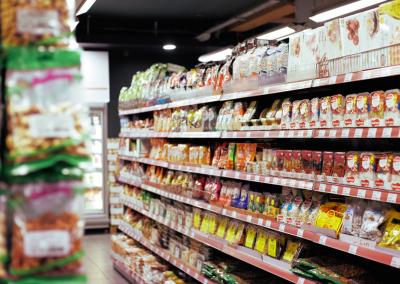
According to data from the consumer organisation BEUC, consumption of plant-based meat alternatives in the EU has increased fivefold since 2011, driven by concerns about animal welfare and greenhouse gas emissions from livestock farms, as well as health-related arguments.
However, the issue of labelling alternative products has not yet been fully resolved: the new rules will initially remain in force until the end of next year, whilst further negotiations are already underway as part of the forthcoming review of the EU’s Common Agricultural Policy (CAP) agricultural subsidy system.

Similar articles

Video