



































Poland is seeking to strengthen the position of the pig farming sector
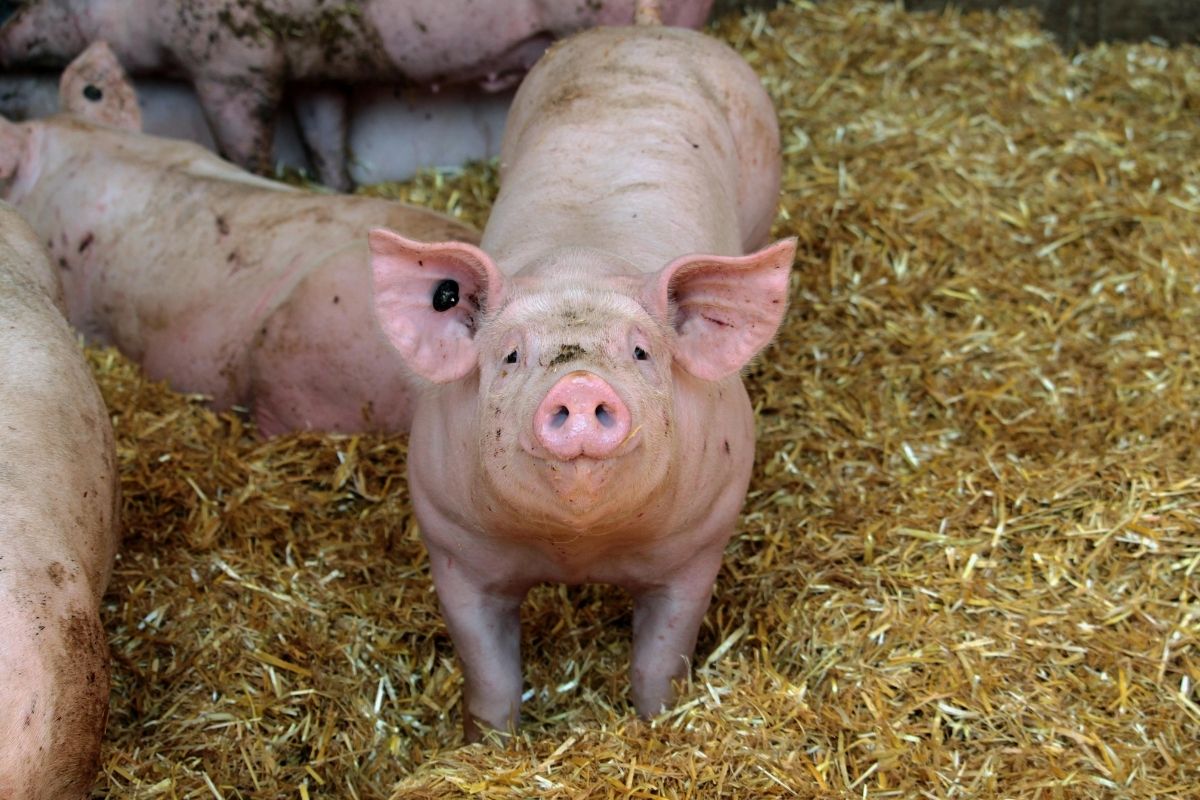
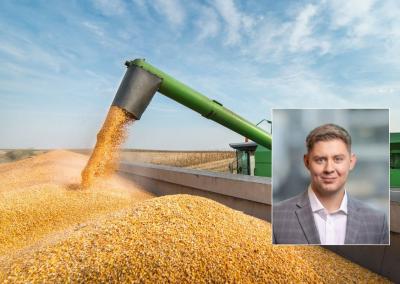
A detailed analysis of the Polish pig farming sector, presented at the European Pig Farmers’ Congress in Poznań in 2026, revealed the significant changes the country has undergone over the past two decades. The presentation, entitled “Poland – on the way to becoming a leader in pig farming in the European Union?”, was delivered by Aleksander Dargiewicz, President of the Polish Association of Pig Farmers and Employers (POLPIG). The data he presented shows that the Polish pig farming sector is currently undergoing one of the most significant transformations in the European Union.
Although Poland remains one of the most important pork producers in the European Union (EU), the structure of production has changed fundamentally over the last twenty years. The number of pigs in the country has fallen from around 17 million to 9 million, a decrease of as much as 47 per cent. This is the largest decline among the major European pig-farming nations. By way of comparison, the pig population in Germany and France has fallen by around 20 per cent, in Denmark by 5 per cent, whilst in Spain it has risen by as much as 46 per cent.
Even more striking changes can be seen in the structure of pig farms. Over the course of twenty years, the number of pig farms fell from 315,000 to 43,000, a drop of 86 per cent. During the same period, the average herd size increased from 54 to 213 animals. This indicates a rapid process of production concentration and the withdrawal of small-scale farms from the sector.
The highest concentration of production has developed in the western part of the country, particularly in the Greater Poland (Wielkopolskie) region, which accounts for around 23 per cent of the country’s total pig population. In some regions, the average number of pigs per farm already exceeds 800 head.
Production models are becoming increasingly integrated
According to POLPIG data, three main production models dominate modern pig farming in Poland.
The first – vertically integrated production, where the farmer provides the land, buildings, labour and manages manure, whilst the integrator supplies piglets, feed and veterinary services, and organises sales. This model already accounts for more than 40 per cent of total production and allows farmers to avoid the risk of market price fluctuations.
The second model is horizontal integration. In this case, producers retain their operational independence but cooperate in the areas of biosecurity, disease control, marketing and data exchange.
The third model – independent farms that rear and sell pigs to processors themselves. These farms remain the most vulnerable to market price fluctuations and ever-increasing requirements.
Growing dependence on Danish piglets
One of the biggest challenges facing the Polish sector is the decline in domestic breeding. Between 2005 and 2025, the number of sows fell from 1.8 million to 618,000, a drop of 66 per cent. As a result, the country is becoming increasingly dependent on imported piglets.
The number of piglets imported from Denmark has more than tripled since 2013 – from 2.6 million to nearly 7.8 million per year. At the same time, imports of pigs for slaughter have fallen by more than half, as Poland seeks to keep the fattening chain within its own territory and create greater added value for the country’s economy.
Production remains stable
Despite the declining pig population, production volumes have remained relatively stable. In 2025, around 20.1 million pigs were slaughtered in Poland – 13 per cent more than in 2005. This indicates that the sector has become more productive and efficient.
In 2024, there were 346 abattoirs operating in the country, and the main export markets for pork were the Czech Republic, the United Kingdom, Slovakia, Romania, Hungary, Lithuania and Germany. Meanwhile, most pork is imported from Denmark, Germany, Belgium, Spain and the Netherlands.
However, the self-sufficiency rate for pork fell from 101 per cent in 2005 to 87 per cent in 2025, indicating a growing dependence on imports.
African swine fever continues to hamper development
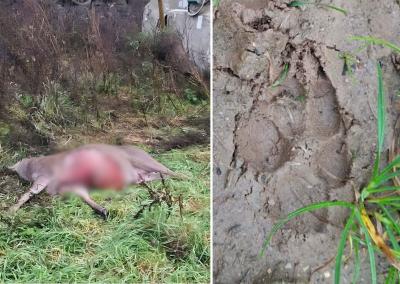
African swine fever (ASF) remains the key factor shaping the development of Poland’s pig farming sector. A large part of the country’s territory remains within various restricted zones, forcing farmers to invest in biosecurity measures and comply with strict requirements.
Over the past eleven years, the economic damage caused by ASF in Poland has amounted to more than 4 billion euros. The greatest losses relate to investments in biosecurity, additional labour costs and lower production prices in the restricted zones.
According to POLPIG’s assessment, ASF will further encourage farm consolidation in the future, as smaller farms find it harder to cope with the increasing financial and administrative burden.
Important lessons for Lithuanian farmers
According to Algis Baravykas, Director of the Lithuanian Pig Farmers’ Association, Poland’s experience is particularly relevant to the Lithuanian pig farming sector.
“The Polish example clearly shows that modernising production alone is not enough. The biggest problem is the decline in reproduction and dependence on imported piglets. This is a signal to the entire region that it is essential to maintain a strong local breeding programme and breeding stock base. Otherwise, the sector becomes extremely vulnerable to external factors and market fluctuations“, – says Algis Baravykas, Director of the Lithuanian Pig Breeders’ Association.
According to him, both Lithuania and Poland are currently facing the same problems – the threat of African swine fever, lengthy investment approval procedures, increasing animal welfare requirements, and public pressure regarding environmental protection and odour control issues.
“If the European Union wishes to maintain a competitive pig farming sector, it is essential to strike a balance between environmental protection, animal welfare and economic viability. Otherwise, we will see a further decline in production and an ever-increasing dependence on imports from third countries“, emphasises A. Baravykas.
Future prospects
According to experts, the future of pig farming in Poland will depend on four key factors: the ability to restore domestic piglet production, effectively control African swine fever, reduce administrative barriers to investment, and reconcile animal welfare and environmental protection objectives with economic competitiveness.
Although the country has lost almost half of its pigs and two-thirds of its sows over the past two decades, the sector has become significantly more modern, productive and concentrated. Poland therefore remains one of Europe’s leading pork-producing countries and is seeking to strengthen its position in the single European Union market.

Similar articles

Video