


























































You can’t avoid stress – but you can manage it
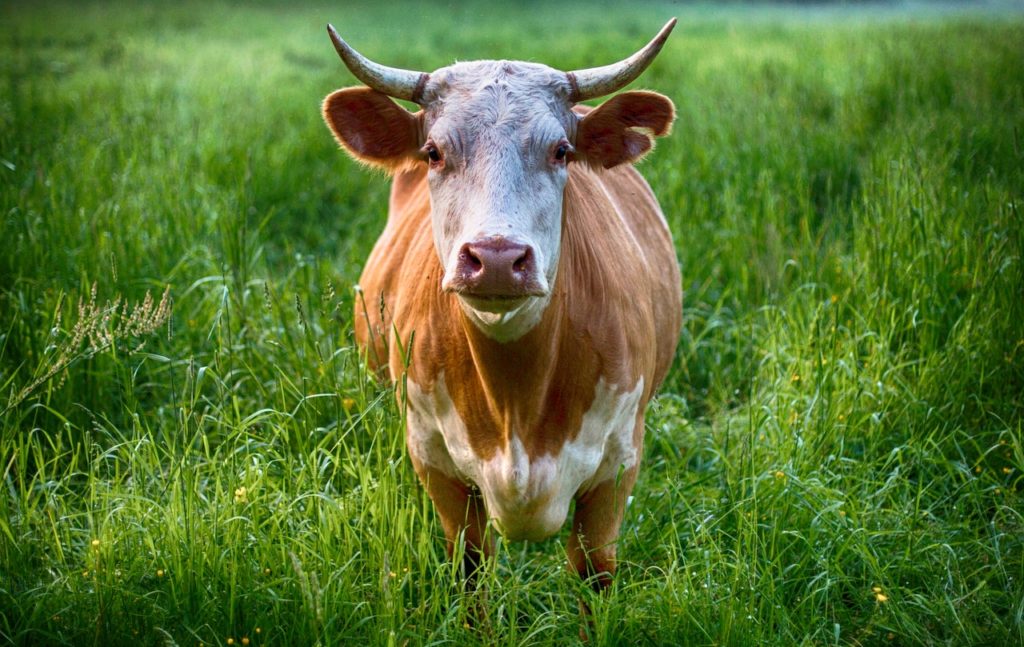
There is a lot of talk these days about animal welfare on farms. Better bedding, more space, ventilation, precision feeding – all of this has changed significantly over the last few years. And it has paid off: cows are living better, producing more milk, and the herd appears more stable. But there is one reality you cannot change – stress on the farm will always exist.
Throughout her life, a cow inevitably experiences changes: calving, moving to a new group, changes to her diet, oestrus, and fluctuations in the milking schedule. This can be social stress, when the herd changes, or physical stress – when the body has to adapt to new conditions. The question is not “how to avoid stress”, but “whether a cow quickly returns to her previous level of productivity after experiencing stress”.
The biggest mistake on farms is underestimating stress. If a cow is standing, eating and appears calm, it is assumed that everything is fine. But biology works on a deeper level. Stress primarily affects the internal systems – the gut, the immune system and hormonal balance – rather than the exterior.
When a cow experiences stress, her body redistributes its energy. Survival becomes the priority, rather than milk production or reproduction. At the same time, the gut microbiota begins to change – the number of beneficial bacteria decreases and the protective function weakens. This means that feed is no longer utilised as efficiently, and the immune system becomes more sensitive.
This is a very important point that a farmer or farm manager can easily overlook. Two cows in the same situation react differently. One adapts quickly and gets back into the swing of things after a few days. The other ‘gets stuck’ – her milk yield drops for longer, she recovers more slowly, and she faces health problems more frequently.
And this difference is very often linked to two factors: gut health and genetic resilience to stress. When the gut microbiota is stable, feed is utilised more efficiently, even during times of stress. The cow recovers more quickly and is less likely to become ‘out of balance’. Meanwhile, a weaker gut means that every instance of stress has a greater impact.
That is why, today, more and more attention is being paid not only to energy or protein, but also to how the diet supports gut health. This may involve stable feed components, fewer sudden changes, and additives that support the microbiome and immunity. And this is simply a way of ensuring that the cow can cope with the real-world conditions on the farm.
Another important aspect is the environment and the organisation of work. Every instance of unnecessary stress on the farm adds up. Excessive group changes, fluctuations in feeding and milking times, and shortcomings in heat management – all these individual details pile up and create an overall background of stress in which the cow lives every day.
Does the daily routine on my farm help the cow cope with stress more easily, or does it cause her even greater stress each time? Often, the greatest effect is achieved not through major changes, but through consistency. Consistent feeding times, as few unnecessary re-groupings as possible, a clear milking routine, adequate ventilation in summer, fans switched on when the cow is hot rather than when the person is hot – all of this helps to reduce the overall background level of stress. And then even unavoidable stress becomes easier to cope with.
In this context, farms are increasingly taking genetics into account, selecting bulls not only for milk yield but also for health, fertility and longevity; over several generations, this leads to a completely different outcome. Such a herd suffers less loss of productivity following changes, recovers more quickly and maintains stable production and reproduction. This is not a quick fix, but over several generations it transforms the entire stability of the herd.
Ultimately, it all boils down to a very practical matter. Stress on the farm has always been and always will be a factor. But the difference between farms arises when, in some places, cows return to work quickly after stress, whilst in others they remain ‘out of rhythm’ for a long time.
Farms that operate stably are not those where there is no stress, but those where the cows recover quickly and get back into the rhythm. And this recovery is never random. It is shaped by three factors: how we feed them, how we organise their environment, and which genetic line we choose. This is where true management begins – not by putting out fires, but by strengthening the system in advance.
Julija Sachnevyč, milking process consultant

Similar articles
Video