






















































The State Plant Production Service, plagued by a corruption scandal, has a new head
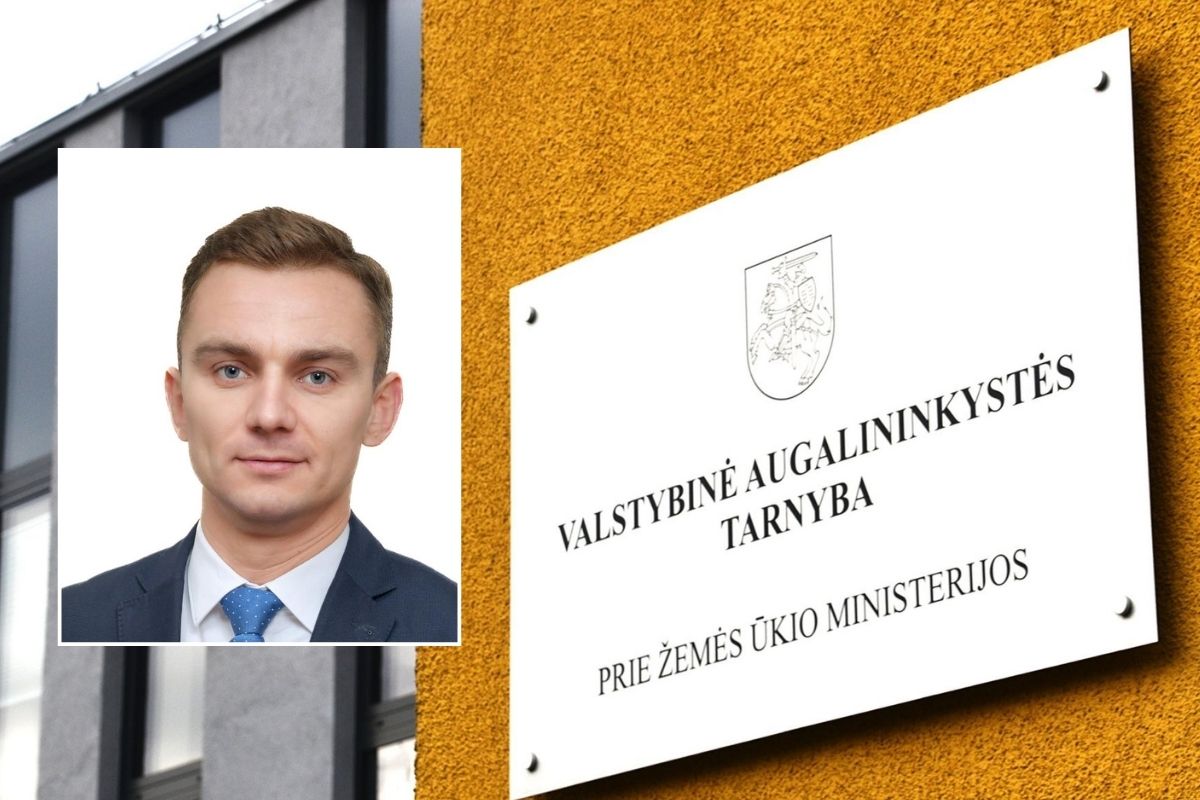
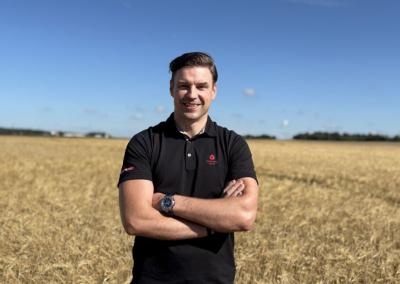
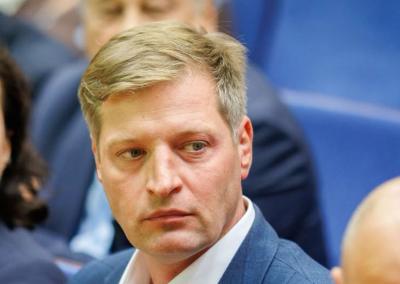
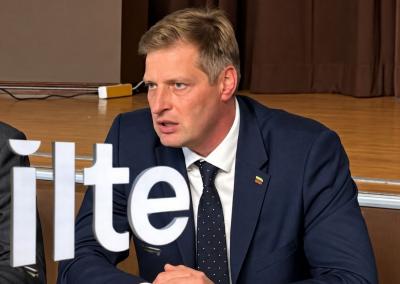
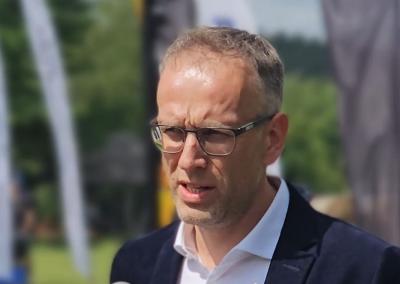
Simonas Pusvaškis has been appointed Director of the State Plant Breeding Service (SPS) by order of the Minister of Agriculture, the State Plant Breeding Service under the Ministry of Agriculture said on Friday. According to the VAT the new director is „well known to the staff– – he has already served as the head of the VAT since 2024.
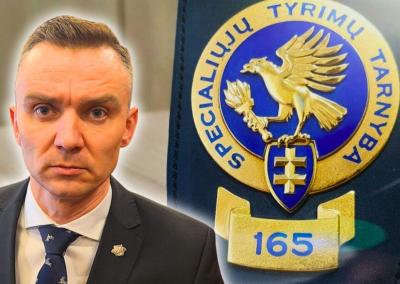
The appointment comes at a difficult time for the institution – in mid-December, the service's activities were marred by a wide-ranging corruption scandal. In a pre-trial investigation into possible corruption offences involving bribes amounting to €1.5 million, suspicions were raised against the then head of the service, Yuri Korniyenko, other IAS staff and private individuals. In total, 13 suspects are involved in the case. Dozens of searches have been carried out at their residences during the investigation and hundreds of law enforcement officers have been involved in arrest operations.
In this context, the change of leadership can be seen as an attempt to stabilise the institution and to start the process of rebuilding trust. The IAS points out that Mr Pusvaškis has been appointed to lead the service as a manager with experience in public administration.
Publicly available information also shows that the new VAT Director has a history of political activity – in 2019 and 2023, he stood as a candidate in the municipal elections on the list of the Homeland Union of Christian Democrats of Lithuania.
It is noteworthy that the ministry's announcement stresses that Pusvaškis „has been appointed as director“ although such a position is usually open to public competition. The IAS report does not explain whether this appointment is temporary and whether a competition to select a permanent head of the service is planned in the near future.
The continued operation of the State Plant Production Service and the restoration of its reputation will depend to a large extent on the decisions of the new head, his ability to ensure transparency and the stabilisation of the institution's internal processes.

Similar articles

Video