








































































The European Parliament has approved the use of certain GMO crops

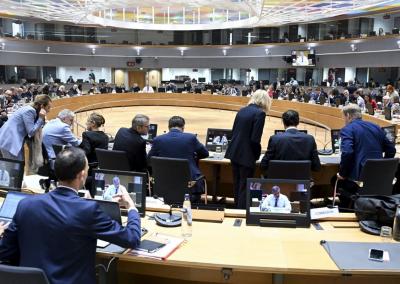
European farmers will be allowed to use certain genetically modified (GMO) crops after European Union (EU) lawmakers gave their final approval on Wednesday to the relaxation of restrictions.
The European Parliament (EP) has voted in favour of wider use of plants developed using so-called new genomic methods (NGMs). Proponents of these technologies claim that they can increase crops’ resistance to drought and disease.
The rules, agreed with the Council of the EU last December, set out the conditions for the use of NGMs that alter an organism’s genetic material. It has been agreed that plants will be regulated on the basis of their final genetic characteristics, rather than how they were developed. Plants derived from GMOs will be divided into two categories, each subject to specific legal requirements:
Plants in the first category, derived from GMOs, have been developed using traditional breeding methods and therefore have a limited number of modifications. They will be treated as conventional plants. In line with the Parliament’s requirement, it has been established that plants designed to be resistant to herbicides or to produce insecticidal substances cannot be classified as Category 1 GM plants;
Category 2 NGM plants are those with more extensive or complex genetic modifications. They will be subject to the existing strict GMO rules and will require a risk assessment. A separate authorisation will be required for their marketing in the EU, according to the EP report.
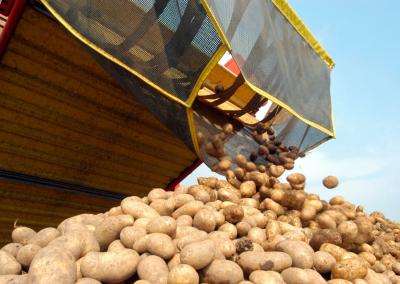
These rules will apply to both plants of European origin and imported plants. Some plants derived from NGMs are already being placed on the market outside the EU or are planned to be placed on the market, such as low-gluten wheat, pathogen-resistant potatoes or drought-resistant maize.
Full traceability and labelling of plants derived from Category 2 GMOs will continue to be mandatory. Furthermore, in accordance with current GMO rules, EU Member States may restrict or prohibit the cultivation of such plants, even if they are authorised for cultivation in the EU. Plant varieties containing Category 1 GMOs or derived from such plants will be included in a public EU database, and all seed packets and propagating material will have to be labelled as Category 1 NGM so that farmers can make informed decisions.
To ensure that the use of NGM leads to the development of plants with sustainable traits (e.g. resilience to climate change and pests), the regulation stipulates that the impact of plants derived from GMOs on sustainability must be monitored.
The use of plants derived from GMOs will not be permitted in organic production, however, if, for technically unavoidable reasons, plants derived from Category 1 GMOs were to appear on organic production land, this would not be considered a breach of the requirements. The Commission will assess whether this Regulation imposes any administrative, economic or practical burdens on organic producers, including how these burdens are perceived by the producers themselves and by consumers.
GMOs may be patented, with the exception of those traits or effects that occur naturally or are obtained by biological means. MEPs have included safeguards in the legislation aimed at preventing market concentration and ensuring affordable prices and fair access for farmers, so that they retain the right to save and re-sow their seeds.
“This is a historic victory for European farmers and for Europe’s future. By approving the use of NGM, we have chosen innovation, competitiveness and food security. European farmers have long been calling for the opportunity to use these modern breeding tools, which enable the development of more resilient crops that are less dependent on pesticides. By granting access to these safe, science-based breeding technologies, the Parliament is supporting European farmers, ensuring our food security and creating a more competitive and innovative Europe“, – said Jessica Polfjard, the Swedish MEP and rapporteur on this issue, following the EP vote.

Similar articles




Video